Paifang: The Monumental Gate of Memory and Meaning
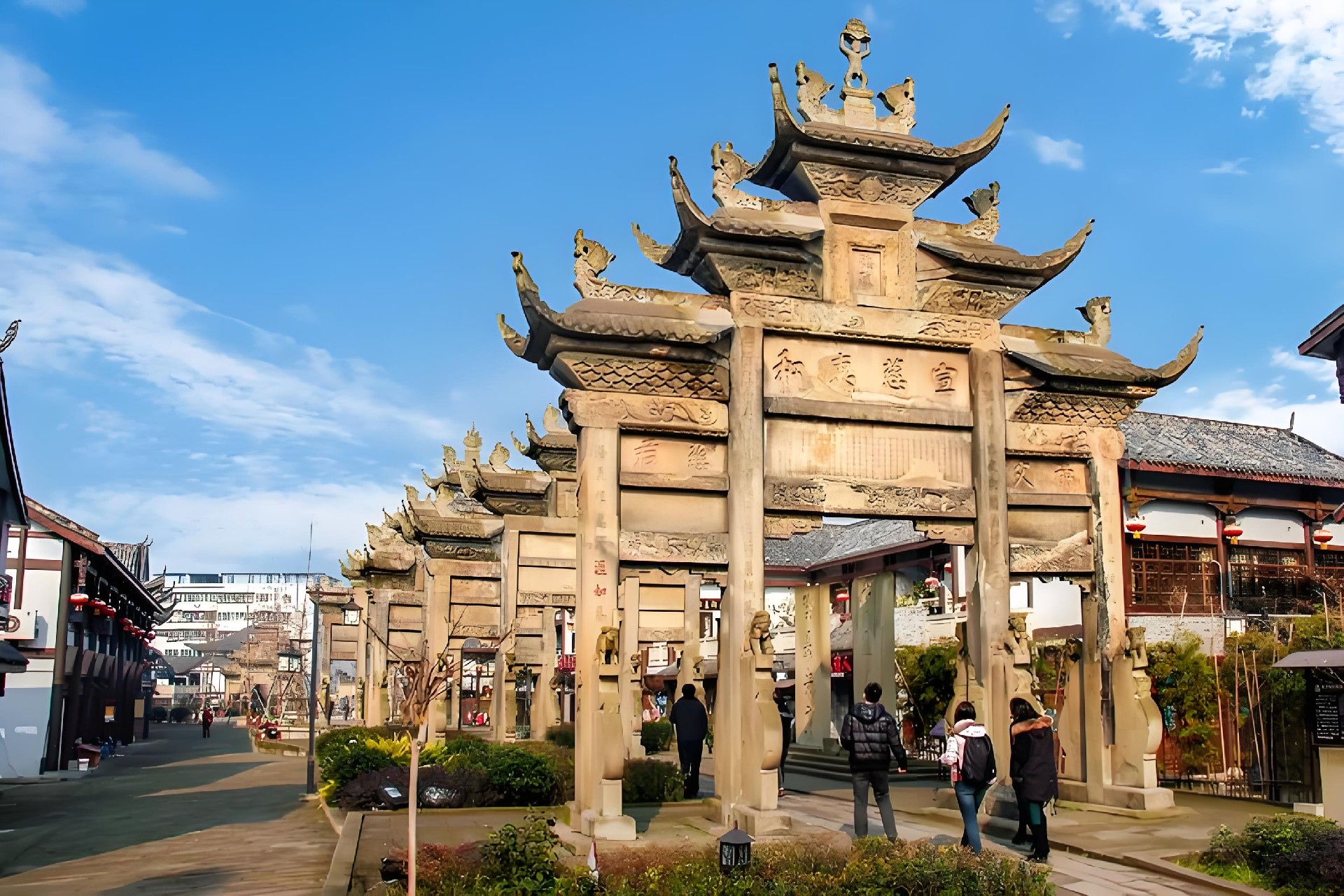
A paifang(牌坊) is one of the most recognizable features in traditional Chinese architecture. Standing at the entrance to a street, temple, village, garden, or memorial site, it is far more than a simple gateway. With its columns, crossbeams, carved decorations, and inscribed plaques, the paifang marks a place not only in space, but also in culture and memory.
In many cases, a paifang serves as a public statement. It may honor virtue, mark an important site, celebrate scholarship, or signal the entrance to a respected community. In this sense, it has something in common with triumphal arches or ceremonial gateways in other cultures. Yet the Chinese paifang is usually less about military victory and more about moral values, local identity, and social recognition.
The written words on a paifang are often as important as its structure. Names of places, blessings, historical references, or moral praise are displayed prominently, allowing architecture to speak almost like a monument in text. A paifang does not simply stand there; it announces, commemorates, and interprets the meaning of the place around it.
Visually, paifang are often impressive without being enclosed buildings. Their open form allows people to pass through freely, while their decorated surfaces still create a strong sense of ceremony. They frame the sky, the road, and the people beneath them, turning an ordinary moment of passing by into something more symbolic.
Today, paifang can still be found in historic towns, temple precincts, ancestral spaces, and even modern urban landscapes. They remain a powerful example of how Chinese architecture often combines function, inscription, and symbolism in a single form. More than an entrance, the paifang is a threshold between everyday movement and cultural meaning.