Yungang Grottoes
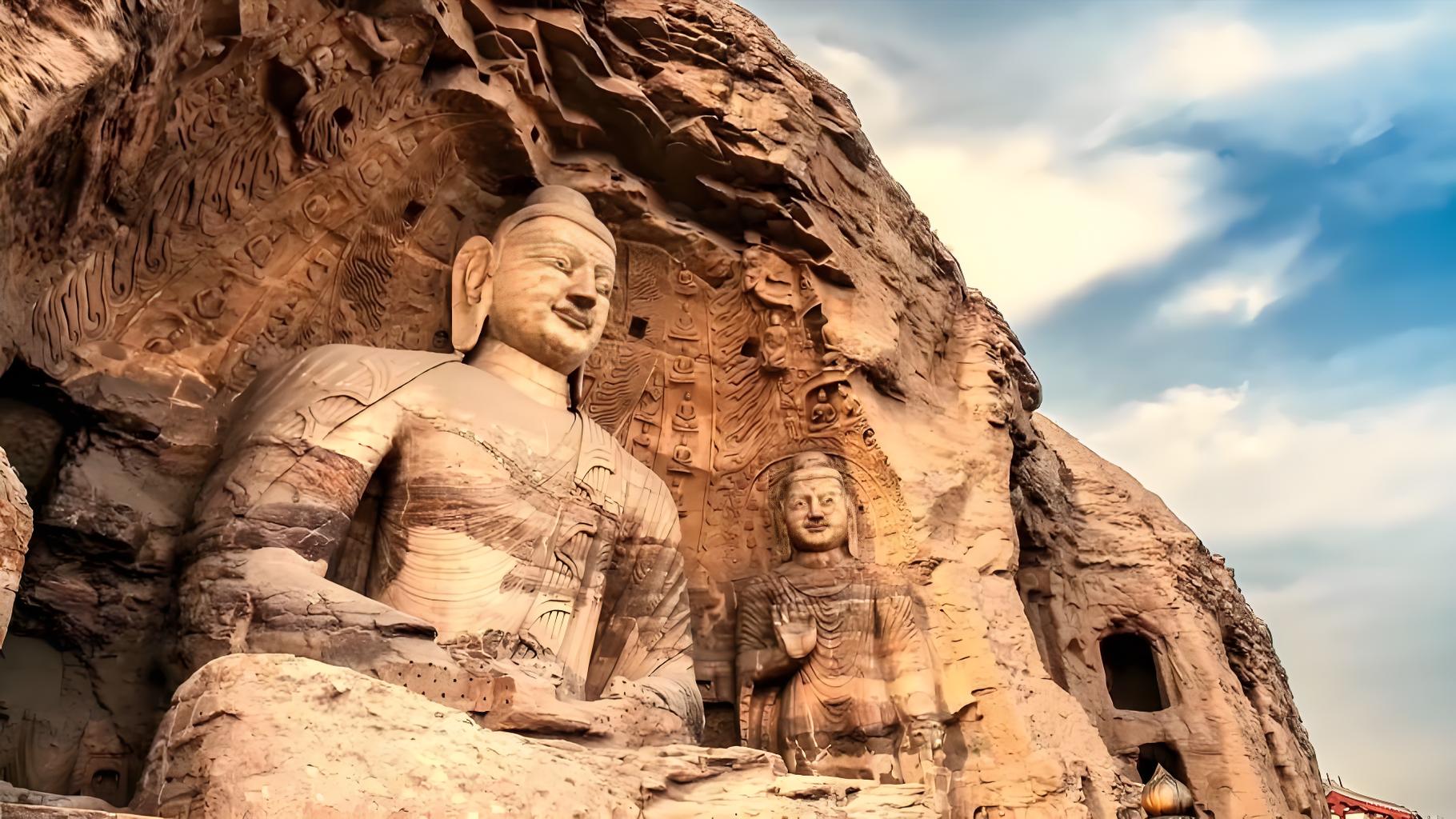
The Yungang Grottoes (云冈石窟) are one of China's most magnificent ancient Buddhist sites, carved into a long sandstone cliff near the city of Datong in Shanxi Province. Construction began in the 5th century during the Northern Wei Dynasty, when emperors, monks, and skilled craftsmen worked together for decades to create a vast complex of caves filled with Buddhist statues, carvings, and decorative patterns.
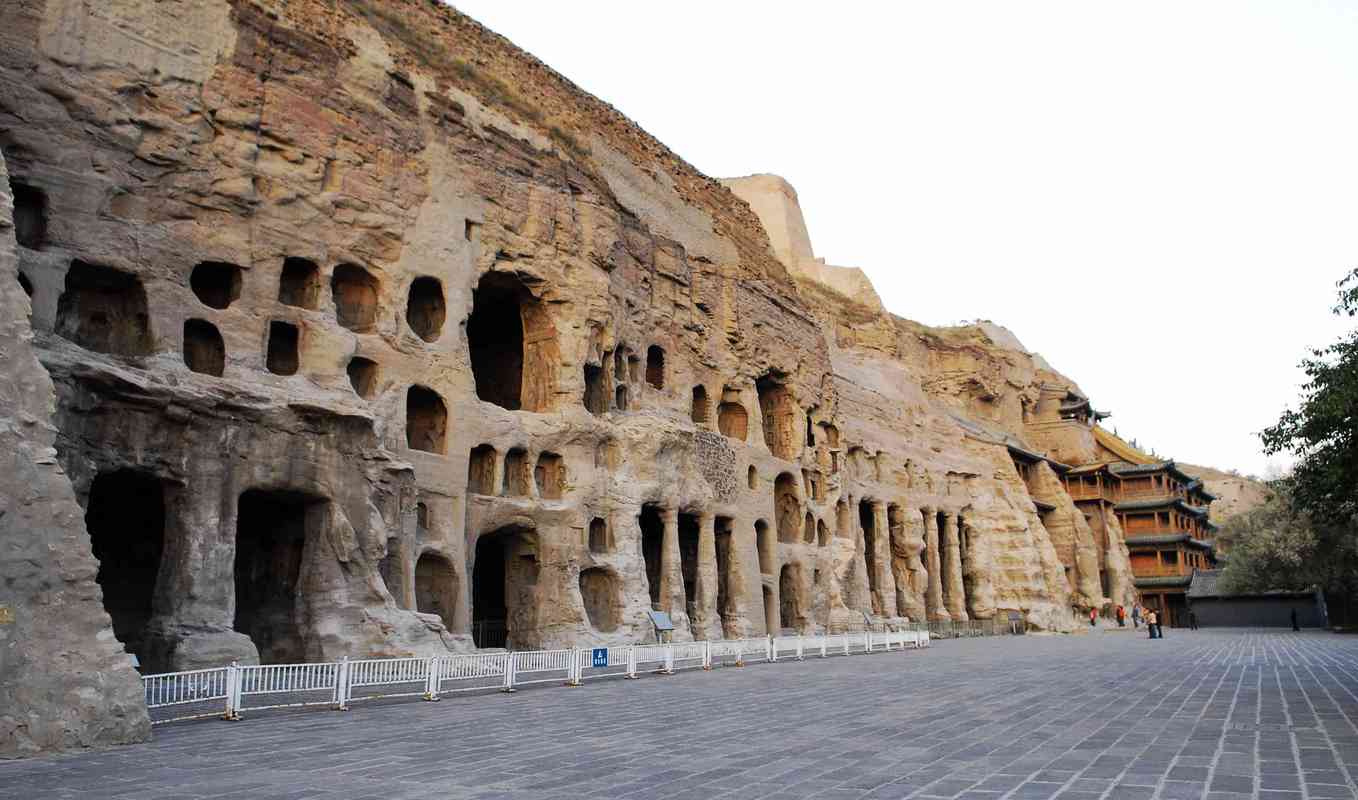
The grottoes contain more than 250 caves and over 51,000 statues, ranging from tiny carvings just a few centimeters tall to a colossal seated Buddha reaching seventeen meters in height. Many figures still show traces of their original paint and gilding, hinting at how vibrant, colorful, and awe-inspiring these caves once appeared to ancient pilgrims and worshippers who traveled great distances to see them.
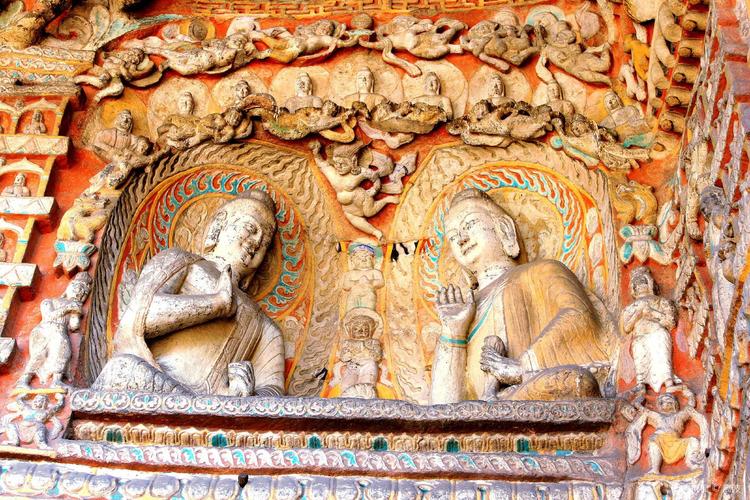
What makes Yungang especially fascinating is its blend of artistic styles from different cultures. Early caves reflect strong influences from Central Asian and Indian Buddhist art, carried eastward along the Silk Road, while later caves show a gradual shift toward more distinctly Chinese facial features, flowing robes, and decorative motifs, vividly reflecting centuries of cultural exchange and artistic transformation over time.
In 2001, the Yungang Grottoes were named a UNESCO World Heritage Site, recognized worldwide for their artistic excellence, scale, and historical importance. Visitors today can walk among towering stone Buddhas and intricate carvings, experiencing firsthand the devotion, craftsmanship, and remarkable cross-cultural creativity that flourished in this region of northern China many centuries ago, leaving a legacy still admired by travelers and scholars alike.