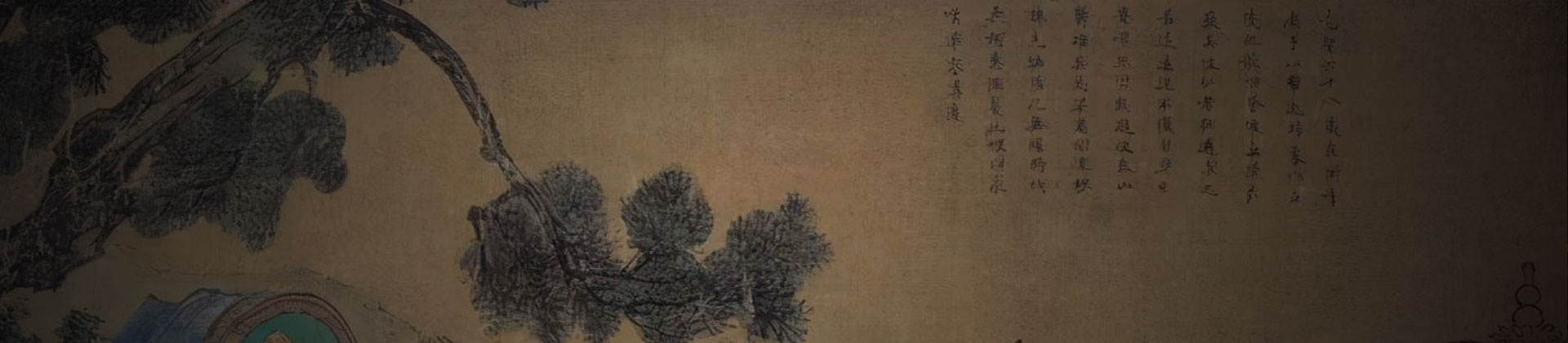
Genyue: Emperor Huizong's Imperial Landscape

Genyue was a celebrated imperial garden created in Bianjing, the Northern Song capital now known as Kaifeng, under Emperor Huizong. Construction began in 1117 and was largely completed in 1122. The garden was first called Wansui Mountain and was later known as Genyue or Shou Mountain-Genyue. Although it survived for only a short time, historical descriptions present it as one of the most ambitious landscape projects in premodern China.
Unlike earlier imperial parks organized mainly around broad hunting grounds or the conventional pattern of one pond and three islands, Genyue was conceived as a concentrated world of mountains and waters. Artificial peaks, winding streams, caves, terraces, pavilions, rare rocks, and plants from different regions were arranged to create changing scenes. Visitors could move through narrow valleys, open views, quiet woodland, and elevated lookout points, experiencing the garden as a sequence of carefully composed landscapes.
The garden reflected Emperor Huizong's exceptional interest in painting, calligraphy, architecture, and the natural world. Its design translated the principles of landscape painting into three-dimensional space: rocks formed the structure, water connected different areas, and buildings were placed to frame particular views. Rather than copying a single natural site, Genyue selected and reorganized notable features from many places, turning artistic imagination into a walkable environment.
Genyue was damaged and dismantled around the fall of the Northern Song in 1127, and no complete physical remains survive. Its reputation, however, endured through texts such as Emperor Huizong's own Record of Genyue. In the history of Chinese gardens, it is remembered as an important transition toward poetic, painterly landscape design, where architecture and nature were combined to create an immersive work of art.