Outdoor Calligraphy Art: Unveiling the Charm of Stone Inscriptions and Cliff Carvings
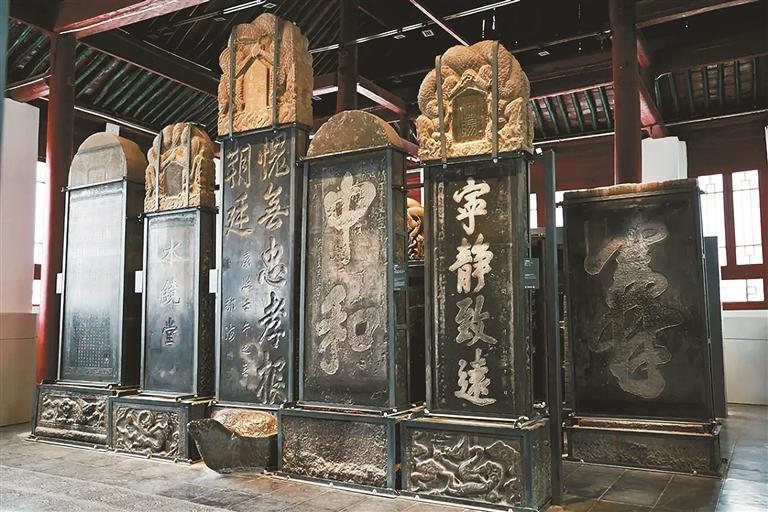
Imagine walking through a forest and stumbling upon towering cliffs covered in elegant, ancient Chinese characters—this is the magic of beike (碑刻, stone inscriptions) and moya (摩崖, cliff carvings), China’s outdoor calligraphy masterpieces. Unlike delicate scrolls stored in museums, these artworks are carved directly into stone, blending art with nature for millennia.
Think of them as the public murals of ancient China. Just as graffiti artists today tag city walls to share messages, Chinese scholars and emperors since the Han Dynasty (206 BCE–220 CE) engraved poetry, historical records, or Buddhist scriptures onto rocks. The Yan Family Temple Steles (西安碑林) near Xi’an, for example, resemble an open-air calligraphy gallery, where visitors can trace the evolution of Chinese script like flipping through a living textbook. Meanwhile, the Cloud Platform Inscriptions (居庸关云台) in the Great Wall’s shadow showcase Tibetan and Sanskrit alongside Chinese—a UNESCO-worthy multilingual monument.
Why stone? Durability mattered, but so did accessibility. These works were meant to inspire, much like public sculptures in Paris or New York. Next time you see weathered characters on a Chinese cliff, remember: you’re viewing history’s bold, sunlit brushstrokes.