The Four Treasures of the Study: A Practical Guide & Cultural Insight
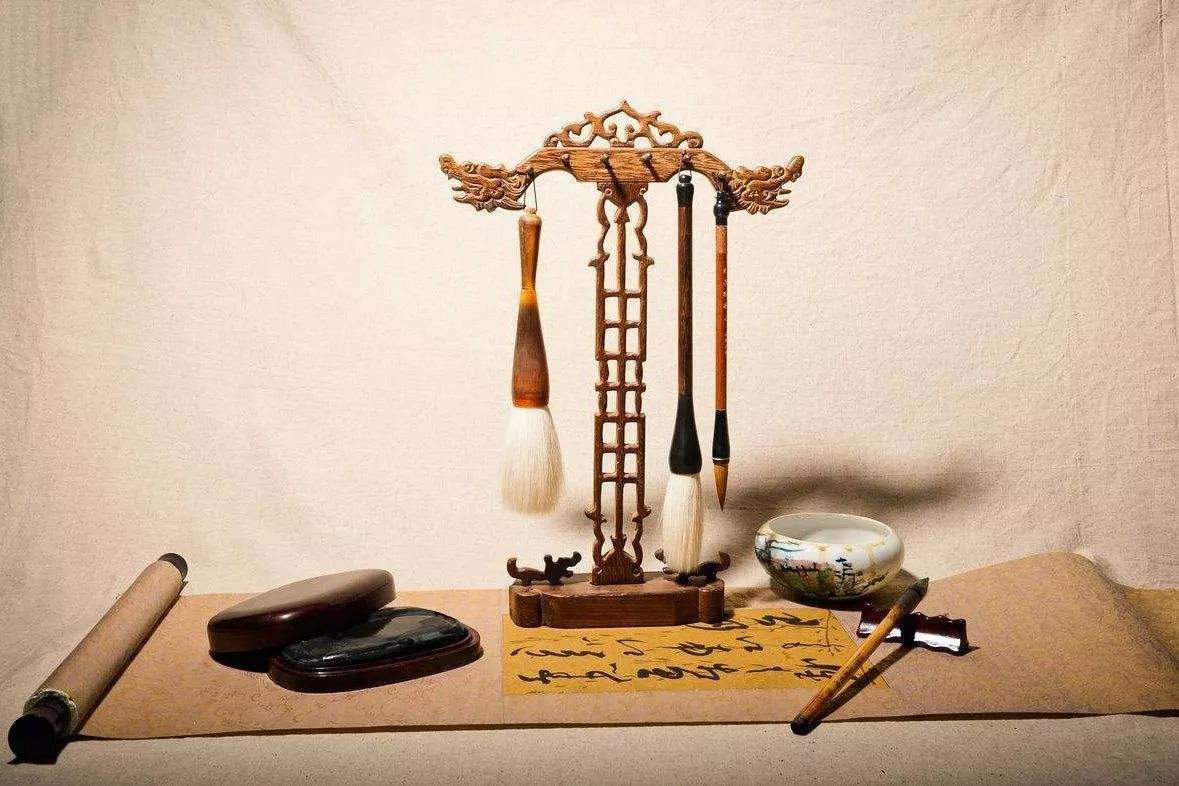
For centuries, Chinese literati have cherished the Four Treasures of the Study (文房四宝): brush (笔), ink (墨), paper (纸), and inkstone (砚)—tools as revered as paintbrushes to a Western artist. Think of them as the quill, inkpot, parchment, and writing desk of ancient China, but with deeper cultural layers.
Choosing Your Treasures:
Brushes: Like selecting a guitar, pick one based on hair type (goat for smooth calligraphy, wolf for bold painting). A beginner might start with a mid-sized wolf-hair brush.
Ink: Solid ink sticks resemble espresso pods—grind them on an inkstone for rich, layered tones. Pre-made liquid ink is handy but lacks ritual charm.
Paper: Xuan paper (宣纸), akin to watercolor paper, absorbs ink gracefully. Avoid glossy rice paper (a misnomer!) for traditional inkwork.
Inkstone: A sculpted stone tool where ink is ground. Collectors prize Duan or She stones, like fine fountain pen nibs.
Maintenance Tips:
Clean brushes immediately after use (dried ink ruins bristles, just like neglected mascara wands!). Store inksticks dry; inkstones need occasional oiling to prevent cracks.
Beyond utility, these tools symbolize patience and self-cultivation. Whether you’re writing poetry or just admiring their craftsmanship, the Four Treasures bridge East-West appreciation for artistry.