
Xuan Paper and the Art of Papermaking
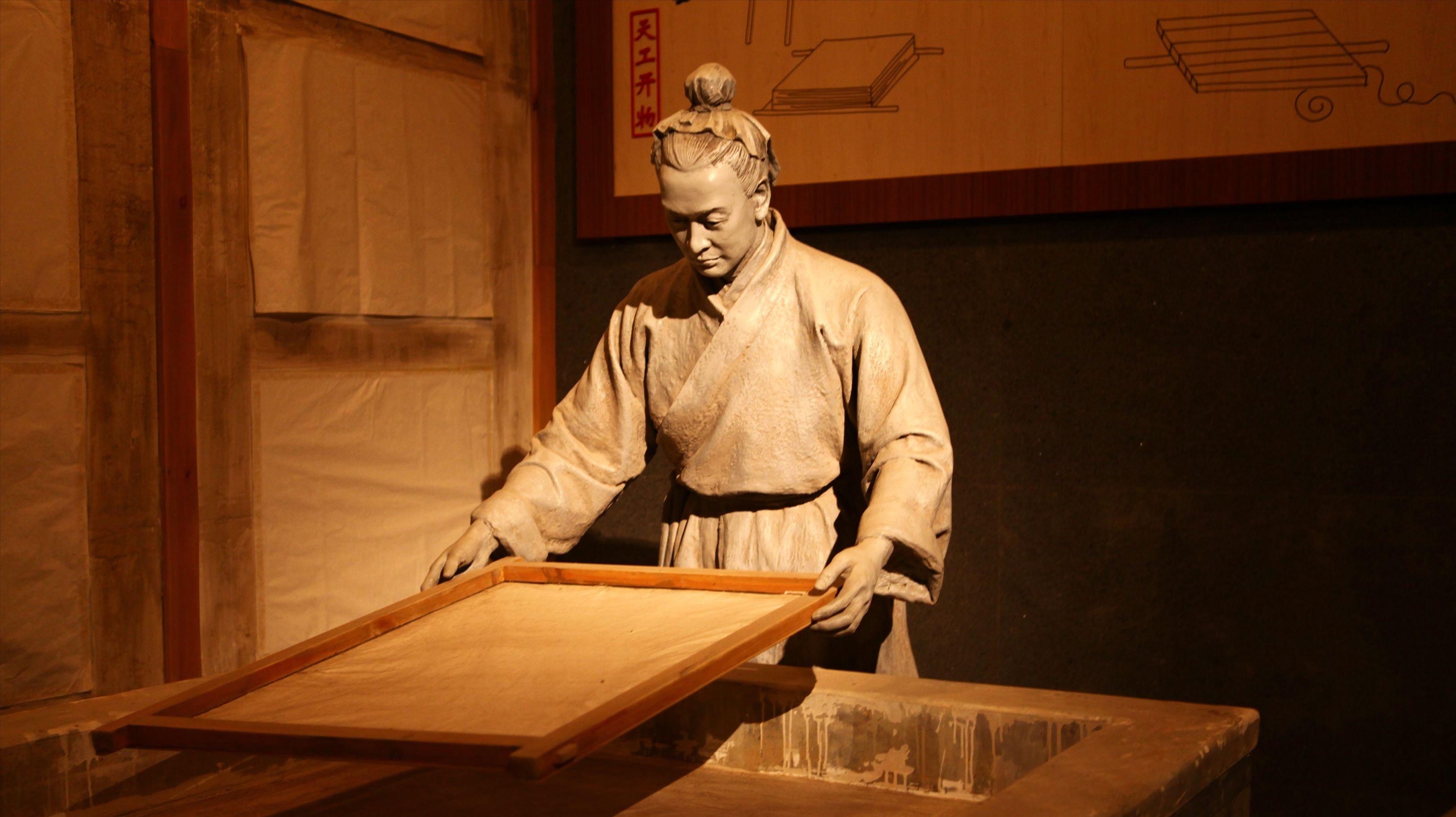
Paper is the quiet surface on which Chinese calligraphy and painting come to life. Although papermaking developed in ancient China from materials such as hemp, bark, rags, and old fishing nets, one type later became especially important to artists: Xuan paper, or xuanzhi (宣纸). Produced mainly in Anhui Province, it is admired for its softness, strength, fine texture, and remarkable ability to absorb ink.
Traditional Xuan paper is made through a long and demanding process. The main raw materials include the bark of the blue sandalwood tree and rice straw. They are soaked, steamed, cleaned, bleached in sunlight, beaten into pulp, and mixed with water. A papermaker then lifts a thin layer of fibers from a vat using a bamboo screen. Each wet sheet is pressed, separated, and dried against a heated wall. Good paper may require months or even years of preparation.
Different papers create different artistic effects. Raw Xuan paper absorbs ink quickly, allowing colors and brushstrokes to spread naturally. It is widely used for expressive calligraphy and freehand painting. Sized Xuan paper is treated with alum and glue, which reduces absorption and makes it suitable for detailed painting and neat, controlled scripts. Semi-sized paper offers a balance between the two.
To Chinese artists, paper is not a passive background. Its fibers interact with ink, water, and brush pressure, shaping every line and wash. A skilled artist must understand when the ink will spread, where it will stop, and how blank space can become part of the image. Through this cooperation between material and hand, a simple sheet of paper becomes a field of rhythm, atmosphere, and imagination.