Emperor Huizong of Song: An Artist on the Throne
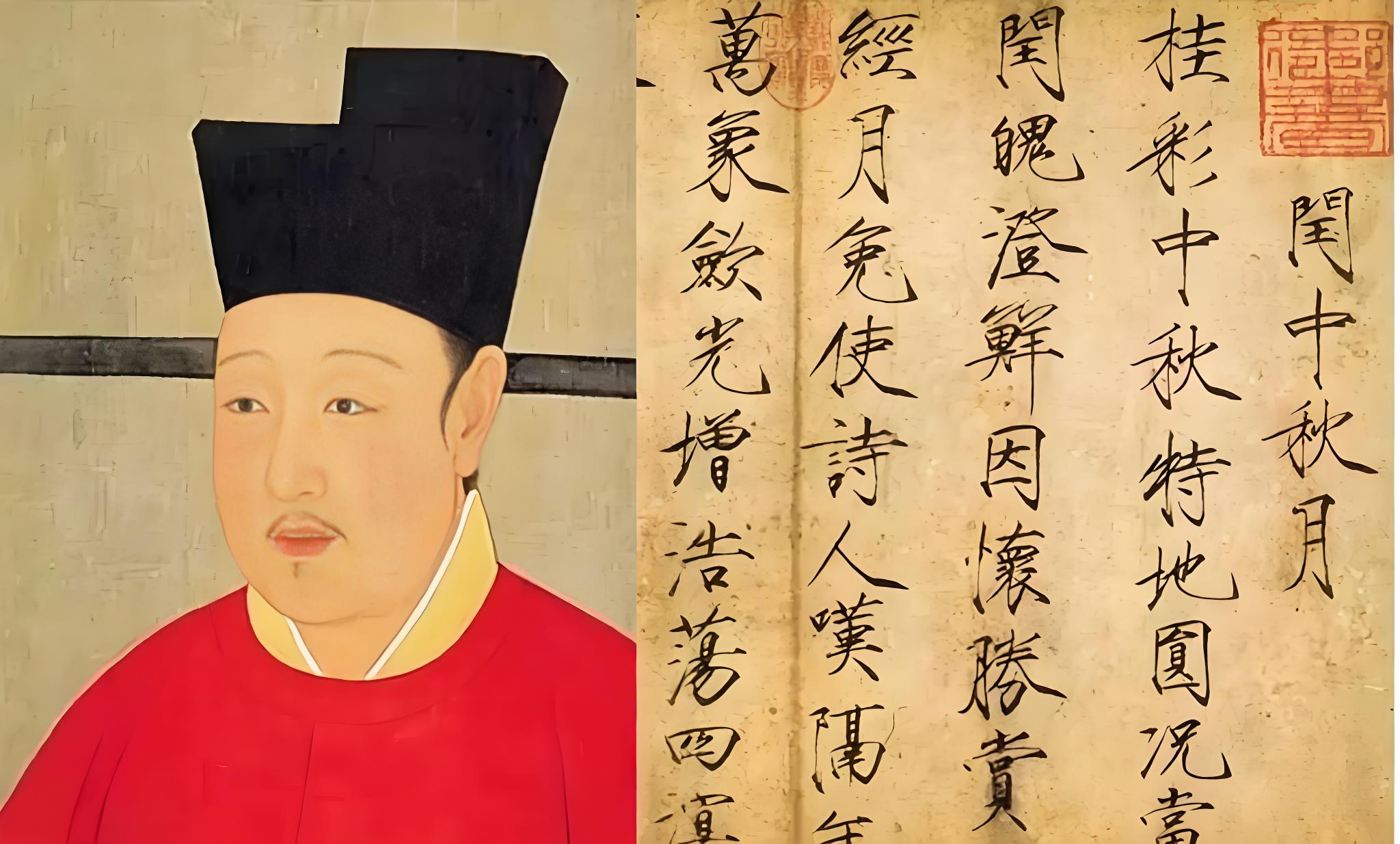
Emperor Huizong of Song, personal name Zhao Ji (1082–1135), ruled the Northern Song dynasty from 1100 to 1126. Politically, his reign ended in disaster: the Jurchen Jin captured the capital in 1127, and Zhao Ji later died in captivity. Yet in Chinese cultural history, he is remembered as one of the most artistically accomplished emperors. His court gathered painters, calligraphers, musicians, collectors, and connoisseurs, turning the imperial palace into an important center of artistic production.
Zhao Ji was especially celebrated for calligraphy. He developed the distinctive Slender Gold script, characterized by thin, sharp strokes, firm turns, and an elegant yet controlled rhythm. The style resembles fine gold wire and is immediately recognizable. His surviving inscriptions and poems show that calligraphy, for him, was not merely decoration but a highly disciplined art through which personality and imperial taste could be expressed.
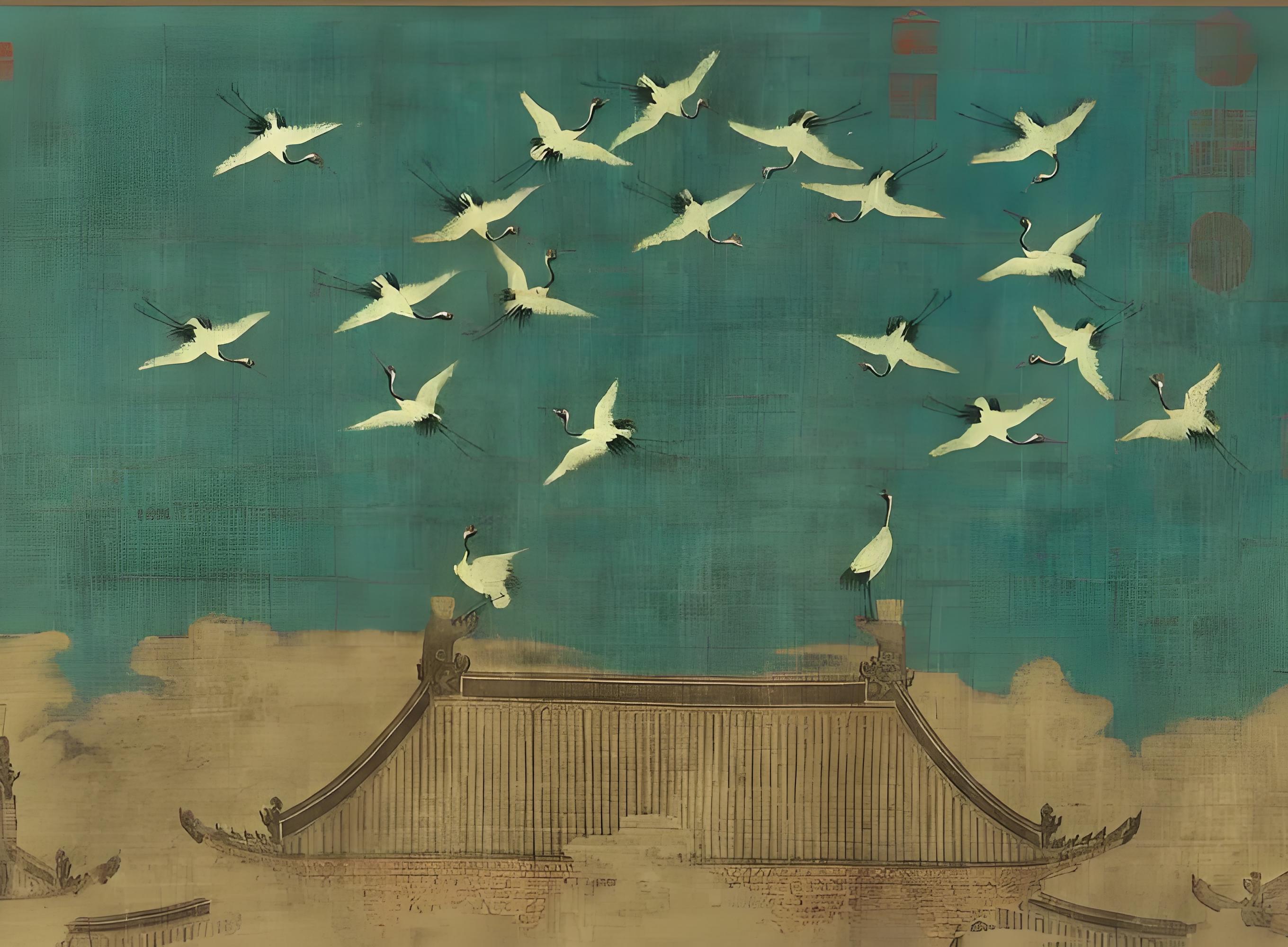
He was also an accomplished painter, particularly known for flowers, birds, and natural observation. Works associated with him emphasize precise outlines, refined color, and close attention to movement and texture. He promoted court painting through the imperial academy, encouraging artists to combine technical accuracy with poetic suggestion. Under his patronage, cataloguing, collecting, and evaluating ancient artworks became major scholarly activities.
Zhao Ji’s artistic brilliance stands in sharp contrast to his political failure. This tension has made him a complex historical figure: an ineffective ruler, but a gifted creator and influential patron. His calligraphy, painting, and cultural policies helped define the polished aesthetics of the Northern Song court, leaving a legacy that continues to shape Chinese art history.