The Birth of Chinese Cinema: Dingjun Mountain (1905)
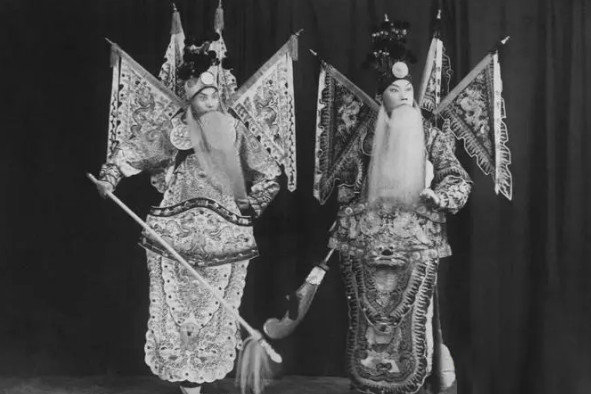
Imagine if the first Hollywood film were a 3-minute clip of a famous dance—Dingjun Mountain (1905) holds a similar legendary status in China. Often called China’s first movie, it was a silent, black-and-white recording of a traditional Peking Opera scene featuring the warrior Guan Yu. Though primitive by today’s standards (no plot, just a staged performance), it marked China’s leap into cinema, just as the Lumière brothers’ train films did for the West.
Think of it like the Star Wars of early Chinese film—not for its story, but for its cultural shockwave. At a time when China was undergoing rapid change, this short film bridged ancient art (Peking Opera) and modern technology (film). Today, Dingjun Mountain is a symbol of how China adapted global trends to local traditions.
Why does it matter? Just as The Great Train Robbery (1903) introduced Americans to moving pictures, Dingjun Mountain proved that Chinese stories could shine on screen. Later, films like Crouching Tiger, Hidden Dragon (2000) would globalize this blend of tradition and innovation. For newcomers, it’s a reminder: even the shortest clips can spark a century of storytelling.