Shanghai’s Golden Age of Cinema (1930s): China’s Hollywood Moment
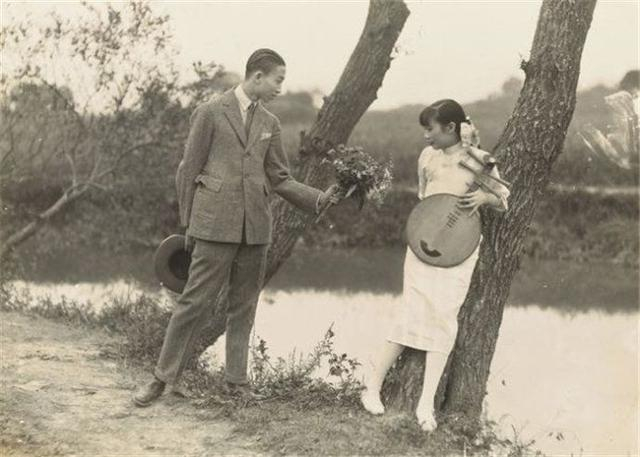
In the 1930s, Shanghai was the film capital of Asia—think 1930s Hollywood meets jazz-age Paris. Amid political turmoil, the city’s bustling foreign concessions fostered a unique creative hub where Chinese filmmakers blended traditional storytelling with modern techniques. Studios like Lianhua Film Company produced classics such as Song of the Fishermen (1934), a poignant tale of fishermen’s struggles that mirrored global Depression-era themes, much like Charlie Chaplin’s Modern Times.
These films were more than merely entertainment; they were socially conscious, addressing issues like inequality and nationalism—comparable to how 1930s American films (e.g., The Grapes of Wrath) reflected societal challenges. Stars like Hu Die (known as the Queen of Chinese Cinema) rivaled Hollywood icons in popularity.
The era’s cosmopolitan vibe also meant films incorporated Western musicals and fashion, yet retained distinctly Chinese elements, like calligraphy in title cards or tales rooted in local folklore. Though WWII halted this golden age, its legacy endures: modern blockbusters like Crouching Tiger, Hidden Dragon echo its artistic ambition.
For outsiders, think of 1930s Shanghai cinema as Asia’s first "golden studio system"—where art met activism, and a city’s dreams flickered on silver screens. A must-know chapter in global film history.