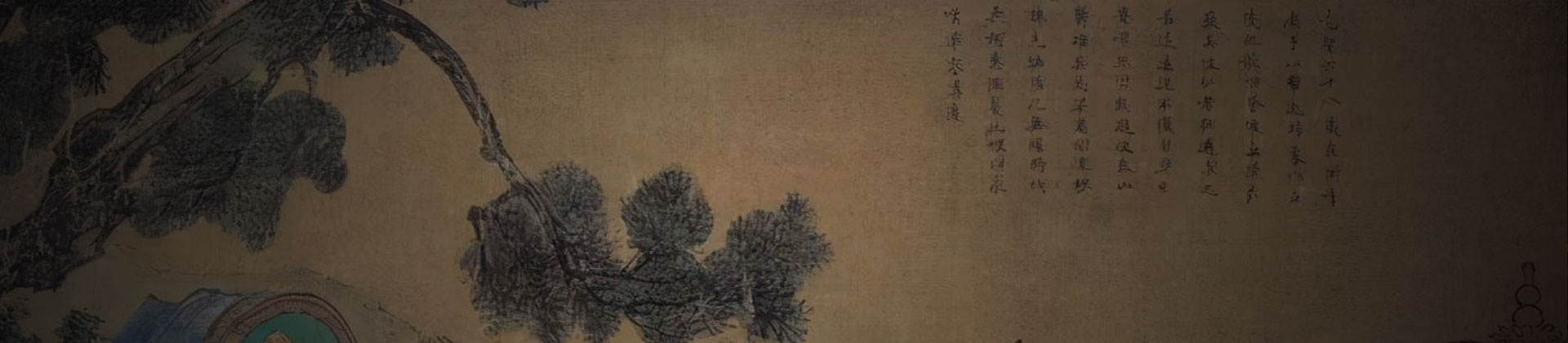
Wuxia Film Master: King Hu and His Aesthetic Vision
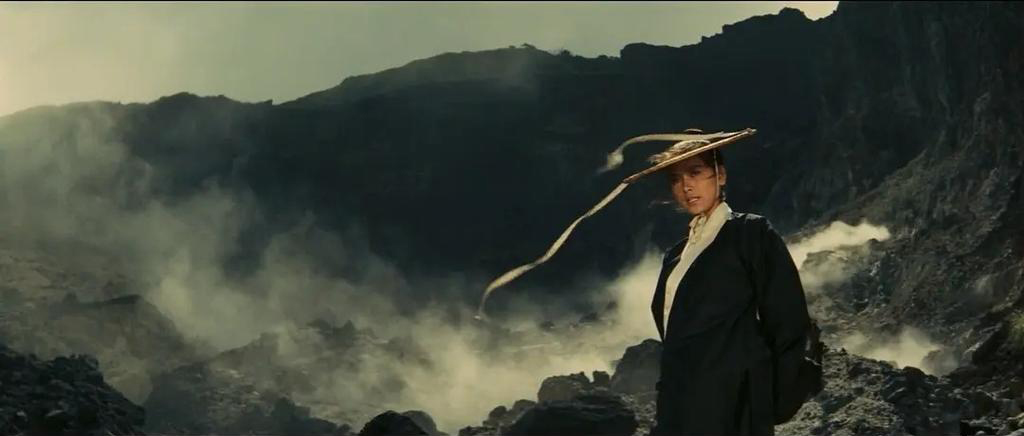
King Hu (胡金铨) is a legendary figure in Chinese cinema, famous for revolutionizing the genre with poetic visuals and deep cultural roots. While Hollywood gives us superhero epics, Hu’s movies like A Touch of Zen (1971) blend martial arts with philosophy, set against breathtaking landscapes that feel like moving ink paintings.
Wuxia, meaning martial heroes, isn’t just about fights—it’s about honor, justice, and self-cultivation. Imagine a knight-errant from medieval Europe, but one who meditates in bamboo forests and duels with flowing swordplay choreographed like dance. Hu’s films emphasize this duality: action scenes are choreographed with balletic grace, while dialogue reflects Confucian values. In Dragon Inn (1967), for example, a lone heroine defends a remote inn against corrupt officials—a tale of resilience as timeless as a Greek tragedy.
Hu’s attention to detail also sets him apart. He studied traditional Chinese opera and architecture, ensuring every frame—whether a misty mountain pass or a scholar’s teahouse—feels authentically rooted in history. His work inspired global directors, proving that wuxia is more than entertainment: it’s a window into China’s soul, where chivalry meets artistry. For those curious about Chinese storytelling, Hu’s films are a perfect starting point.