Andai: The Healing Dance of the Mongolian Grasslands
On the grasslands, there is a saying: "Wild geese line up to watch the Andai, and camels shed tears when hearing the music." Here, Andai refers to the Andai dance.
Andai means "rise and lift your head." It took its fixed form around the late Ming and early Qing dynasties (about the 17th century). At first, it was a religious dance used for healing, but later it slowly became a folk dance for expressing feelings.
There is a beautiful legend about the origin of the Andai dance. Long ago, on the Horqin grassland, a father and his daughter lived together. The daughter fell ill with a strange disease that no doctor could cure. The father placed her on an ox cart and set off to find help elsewhere. On the way, the cart axle broke, and the daughter grew worse, near death. The father walked around the cart in grief, singing instead of crying. His singing drew nearby villagers, who followed him, swinging their arms and stamping their feet in a sad dance. Then, the daughter quietly got down and joined the dancing. Soon she was sweating heavily, and her illness was gone. The news spread, and people copied this dance to cure young women with similar illnesses. They named it "Andai". From then on, the Andai dance spread far and wide.
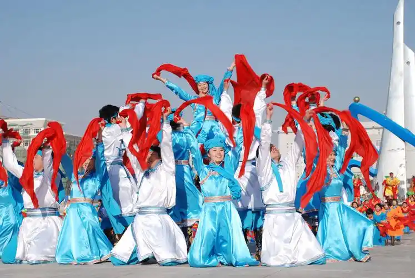
Today, the Andai dance has become a healthy, beautiful, passionate and exuberant art form that reflects life and expresses the feelings of the Mongolian people. In the Horqin grassland, the birthplace of the dance, people perform it during festivals, harvest times, weddings, funeral ceremonies and feasts for guests.