The Lianxiang Dance: The Rhythm of Shanghai's Folk Heritage
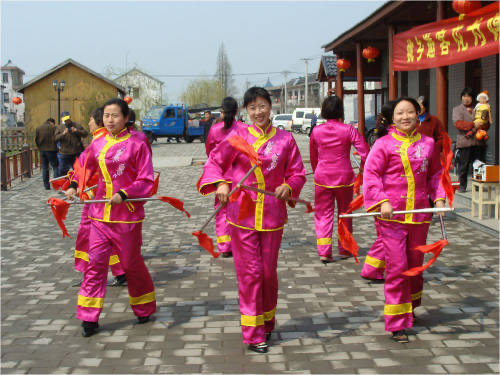
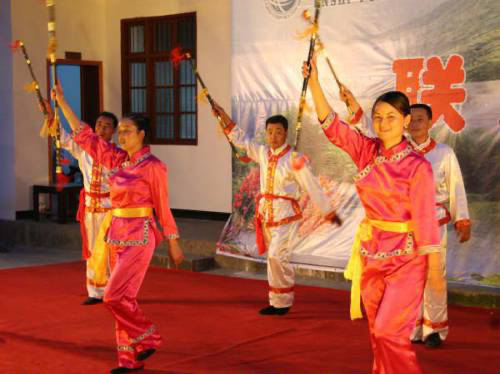
Imagine the crisp, rhythmic clinking of copper coins ringing out as dancers joyfully twirl and strike bamboo sticks against their shoulders, backs, and legs. This is the Lianxiang Dance (打莲湘), a lively traditional Chinese folk dance and a recognized intangible cultural heritage of Shanghai (上海市级非物质文化遗产).
Originating as a humble performance by wandering beggars to earn festive rewards, it evolved during the Qing Dynasty into a celebratory mass dance among farmers in areas like Nanhui, Shanghai. The dance's iconic prop is the Lianxiang (莲湘) or Flower Stick (花棍)—a slender, one-meter bamboo pole intricately carved and embedded with copper coins, adorned with colorful tassels.
Performers, dressed in vibrant traditional attire, execute highly coordinated movements—such as the cross step and turning the lotus—while singing lively folk tunes. Today, this centuries-old gem of folk dance has seamlessly transitioned from rural harvest celebrations to a popular modern fitness dance in urban plazas, continuing to spread joy and harmony across the community.