The Dragon Boat Festival

The Dragon Boat Festival (端午节), celebrated on the fifth day of the fifth lunar month, is one of China's oldest traditional holidays. Its origins are most commonly linked to the story of Qu Yuan, a patriotic poet and statesman of the Chu Kingdom who drowned himself in a river over two thousand years ago after his homeland fell. Local villagers raced out in boats to search for him and threw rice into the water to keep fish from eating his body.
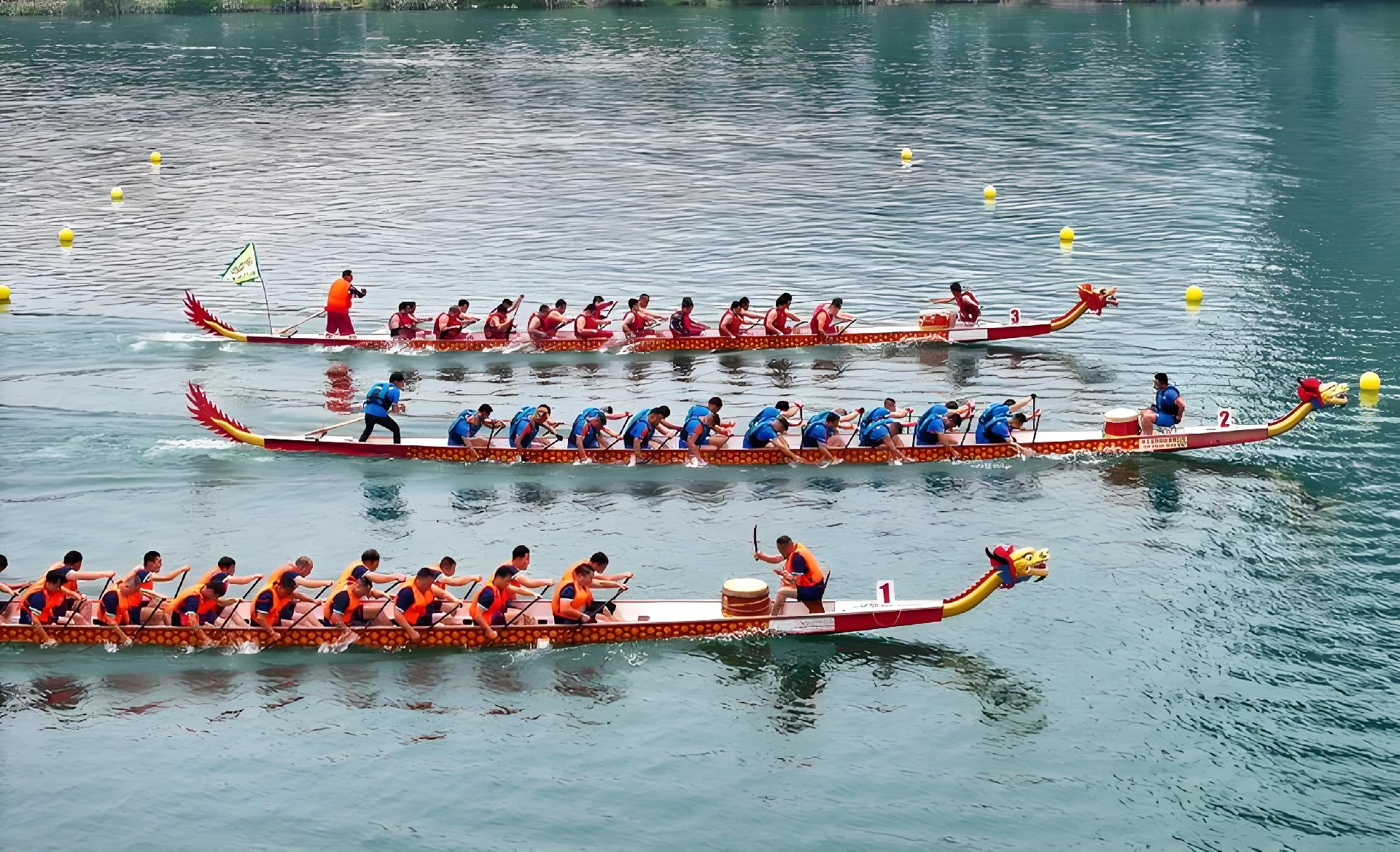
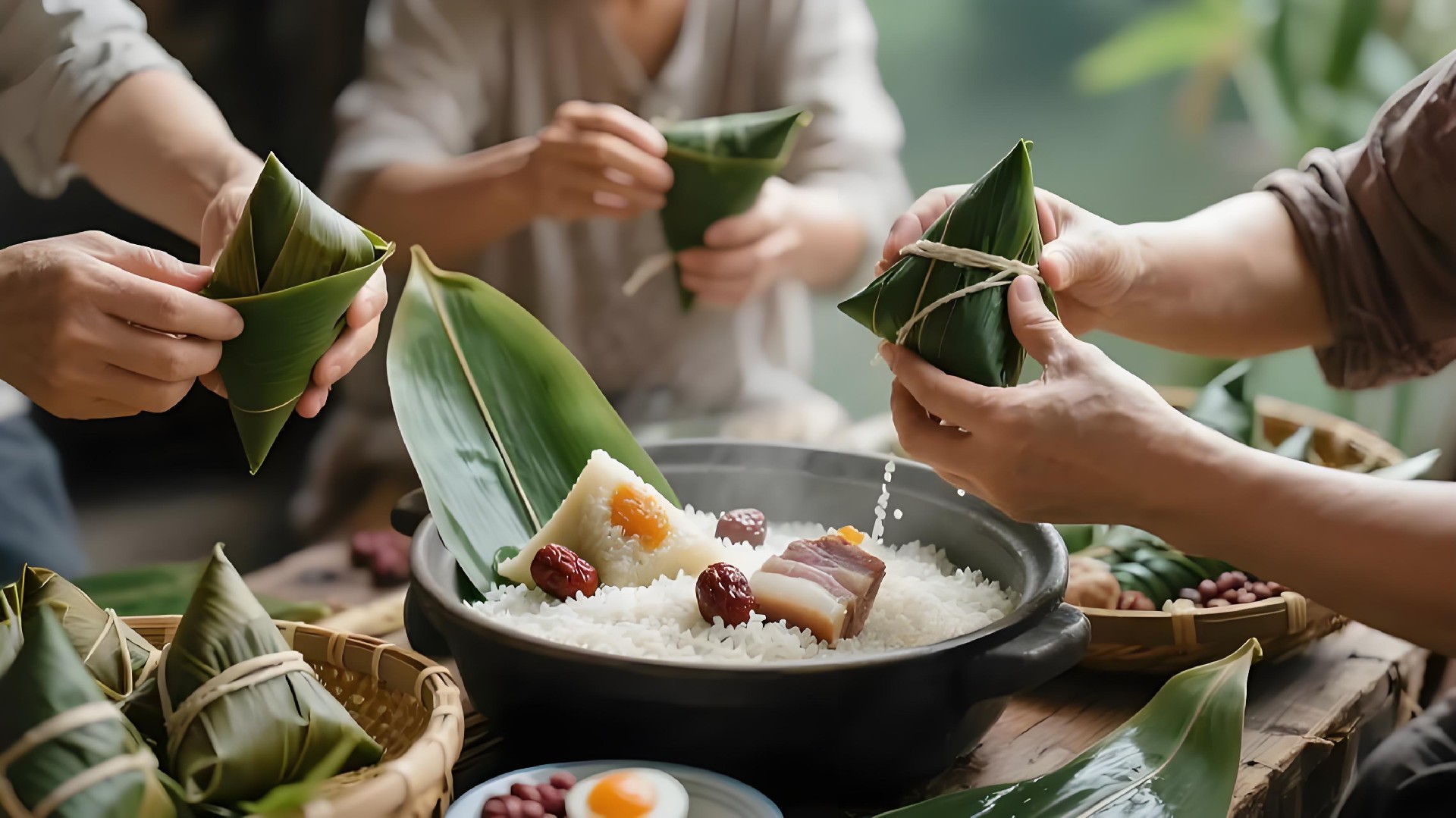
From this legend grew two of the festival's most iconic customs: dragon boat racing and eating zongzi (粽子), pyramid-shaped parcels of glutinous rice wrapped in bamboo or reed leaves. Today, dragon boat races are held on rivers and lakes across the country, with teams paddling in rhythm to the beat of drums, while families gather to share freshly steamed zongzi together.
While the core traditions remain shared nationwide, regional differences add rich variety. In the south, especially in Guangdong and Hunan, dragon boat races are large, competitive community events with elaborately carved boats. In the north, where waterways are scarcer, the festival is often marked more quietly, with hanging mugwort and calamus leaves on doors to ward off illness and evil spirits.
Zongzi fillings also vary widely by region: southern versions often feature savory combinations of pork, egg yolk, or mushrooms, while northern versions tend to favor sweeter fillings like red dates or red bean paste. These local variations reflect China's diverse culinary traditions, while the shared rituals of the Dragon Boat Festival continue to connect communities across the country every year.