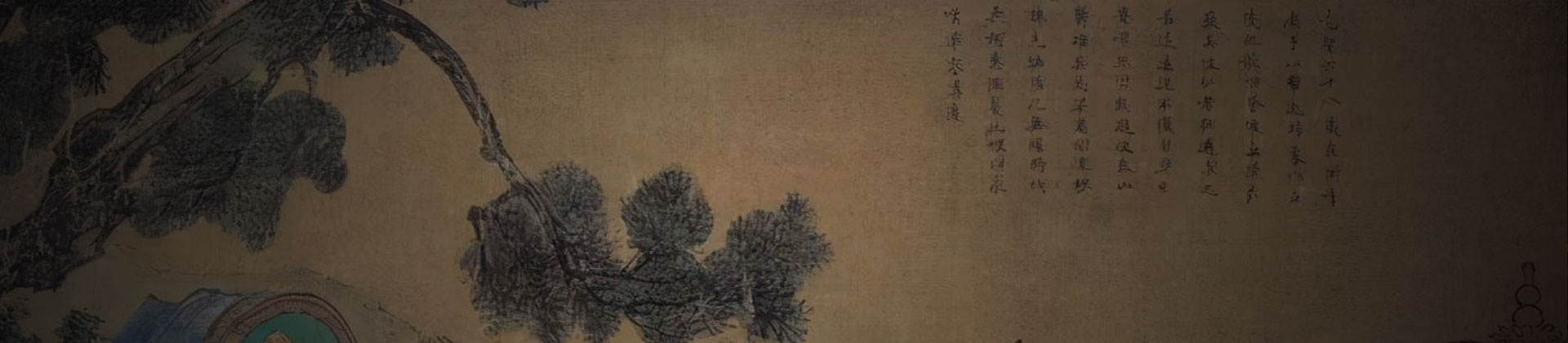
Qixi: The Festival of Skills and Love

Qixi (七夕), celebrated on the seventh day of the seventh lunar month, is one of China’s best-known traditional festivals. It is often called Chinese Valentine’s Day because of the legend of the Cowherd and the Weaver Girl. According to the story, the two lovers are separated by the Milky Way and allowed to meet only once a year, when magpies form a bridge across the sky. Their reunion has made Qixi a lasting symbol of faithful love.
Yet the older meaning of Qixi is closely connected with skill, especially the skills of young women. The festival was traditionally known as the Qiqiao Festival, or the Festival of Begging for Skills. Girls prayed to the Weaver Girl for clever hands in weaving, sewing, embroidery, and household crafts. Popular activities included threading needles under moonlight, displaying handmade objects, preparing special pastries, and observing spiders’ webs as signs of good fortune.
Qixi customs vary across China. In Xihe County, Gansu Province, the Qiqiao celebration may continue for several days and includes welcoming the Weaver Girl, singing, dancing, making offerings, and sending her farewell. In parts of southern China, women once washed their hair with herbal water or stored Qixi water, believing it had special purity. Some families also worshipped stars or prepared seasonal fruit and decorated tables in courtyards.
Today, romantic celebrations have become more visible, but Qixi is more than a festival for couples. It preserves memories of women’s creativity, craftsmanship, friendship, and hopes for a better life. The story of the Cowherd and the Weaver Girl gives the festival emotional appeal, while the older qiqiao customs reveal a deeper cultural meaning: love is cherished, but patience, talent, and dedication are also worthy of celebration.