
Proso Millet: The Ancient Staple That Once Ruled the Loess Plateau
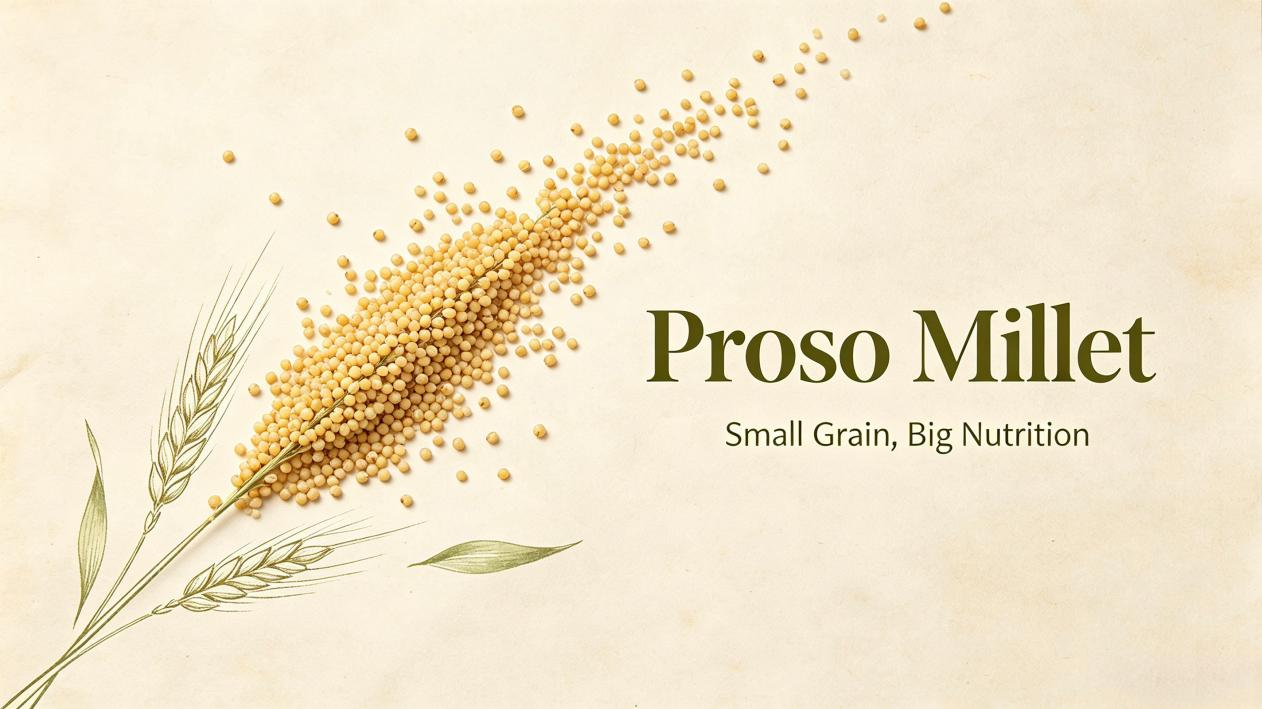
Beyond rice and foxtail millet, there is another grain that once played a leading role as a staple food—proso millet (Panicum miliaceum).
Proso millet resembles foxtail millet in appearance but has slightly larger grains, which is why it is also known in Chinese as "large yellow millet". It has a sweet, sticky texture. As the poet wrote, "My old friend has prepared chicken and millet, inviting me to his country home." For ordinary farming families, serving chicken with steamed millet, accompanied by a few plates of pickled vegetables and a jar of aged wine, was a generous meal that conveyed genuine hospitality.
Proso millet is even more drought-tolerant than the famously hardy foxtail millet, with a shorter growing cycle and remarkable resilience. It was likely domesticated earlier than foxtail millet and once dominated dryland agriculture, becoming the grain of choice on the dry, sparsely watered Loess Plateau far from China's eastern coast.
As wheat yields continued to rise, wheat-based foods gradually replaced cooked grains made from wheat, foxtail millet, and proso millet as the preferred staple in northern China. By the late Ming Dynasty, maize—equally drought-tolerant but more productive—had been introduced to China, and proso millet gradually faded from the mainstream diet.