Heritage Grid | In Tangyue, How Seven Arches Wrote a Clan's Legacy in Confucian Virtue
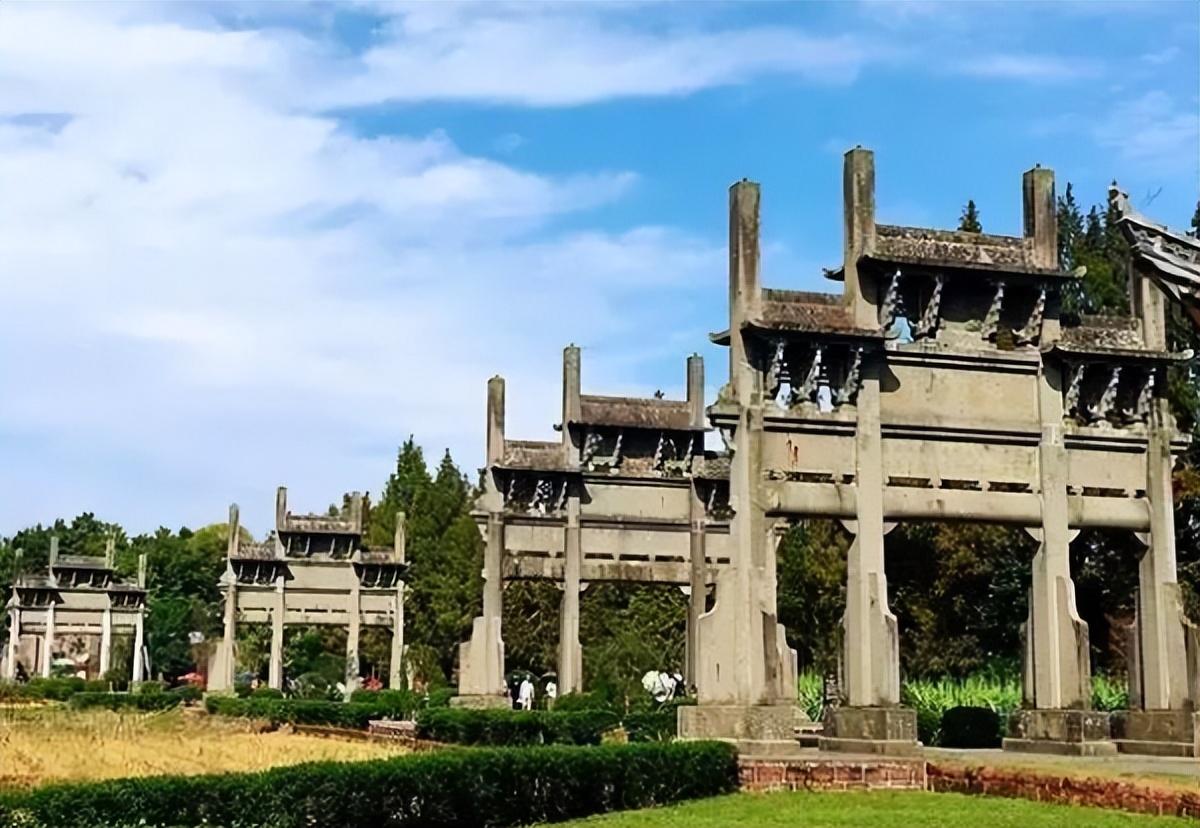
Traveling through the misty, green hills of Huizhou in imperial China, as your procession rounds a bend, a stunning sight halts you: seven majestic stone archways stand in a solemn, unwavering line, leading toward an ancestral village. This is the Tangyue Archway Group, China's best-preserved collection of Ming and Qing dynasty ceremonial gates. Far more than mere monuments, these arches form a unique stone genealogy, chronicling the rise, values, and soul of the influential Bao family over four centuries.
The Language in Stone: What is a Pailou?
To understand Tangyue, one must first understand the pailou, or memorial archway. In pre-modern China, these were the highest honors a family or individual could receive from the state. Erecting one was not a personal choice but a state-sanctioned act, requiring rigorous imperial approval for deeds deemed exemplary to society. Each archway was a permanent public decree, carved in enduring stone, declaring a family's contribution to the Confucian pillars of society: loyalty, filial piety, chastity, and righteousness. They were the billboards of virtue, the ultimate social credit system of their time, physically shaping the moral landscape of villages and towns.
The Stone Chronicle of the Bao Clan
The seven archways at Tangyue, built between the early Ming and late Qing dynasties (1420-1820), tell a sequential saga. They alternate between "merit" arches, funded by the imperial court, and "virtue" arches, financed by the clan, creating a rhythm of royal recognition and familial pride.
The narrative begins with the Cixiao Li Archway (慈孝里坊), erected in the Ming Dynasty. It commemorates a father and son during the Yuan-Ming transition who each offered to die to save the other from execution—a story of ultimate filial devotion that moved even the founding Emperor Hongwu. This arch sets the clan's foundational virtue: extreme familial loyalty.
The story culminates with the most visually stunning and final arch: the Leshan Haoshi Archway (乐善好施坊), built in 1820. Its story is one of shrewd negotiation with power. During a national financial crisis, the wealthy salt merchant Bao Shuyan donated a fortune to the emperor's coffers. In return, he requested not official rank or gold, but imperial permission to build this last archway, glorifying his family's philanthropy and cementing their legacy in stone. It is a masterpiece of Qing-era stonework, adorned with intricate carvings that symbolize the Bao family's peak in both wealth and social capital.
More Than Morals: Engineering and Art Frozen in Time
The archways are feats of engineering. Built from locally quarried She County bluestone and marble, they employ a deceptively simple dougong-inspired bracket system (without nails or mortar) that has withstood centuries of wind and rain. Their stability lies in their perfect balance and immense weight.
Every carving is a coded message. Central plaques bear inscriptions from emperors or high officials—the ultimate seals of approval. The pillars are guarded by stone lions, symbolizing power and protection, while beams are adorned with lotus flowers (purity), deer (longevity), and phoenixes (high virtue). The Cixiao Li archway's unique Honeycomb Stone surface, deliberately pitted, is said to symbolize the hardships endured by the father and son. These are not mere decorations; they are the visual vocabulary of Confucian virtue, making abstract ideals tangibly beautiful.
A Legacy in Stone: Historical Value and Global Significance
The historical value of Tangyue is immense. It is a three-dimensional history book of a local clan, offering an unparalleled micro-study of how a family used moral capital, merchant wealth, and political savvy to maintain elite status for 400 years. It physically manifests the integration of commerce (Huishang merchant culture) and Confucianism that defined the Huizhou region. Furthermore, it showcases the evolution of Chinese stone archway architecture, from the simpler, sturdier Ming styles to the ornate, exquisitely carved Qing designs.
On a world stage, the Tangyue Archways offer a unique perspective. While many cultures erect monuments to kings and conquerors (like Roman triumphal arches), Tangyue represents a monumental system dedicated entirely to civic and familial virtue. It speaks to a societal model where moral behavior was the primary path to immortality. As a masterpiece of East Asian stone commemorative art, it stands in dialogue with structures like Korea's Hongsalmun gates or Japan's torii, yet is unique in its serial, narrative form and deep integration with clan social structure.