
The Classic of Mountains and Seas: China's Ancient Book of Wonders
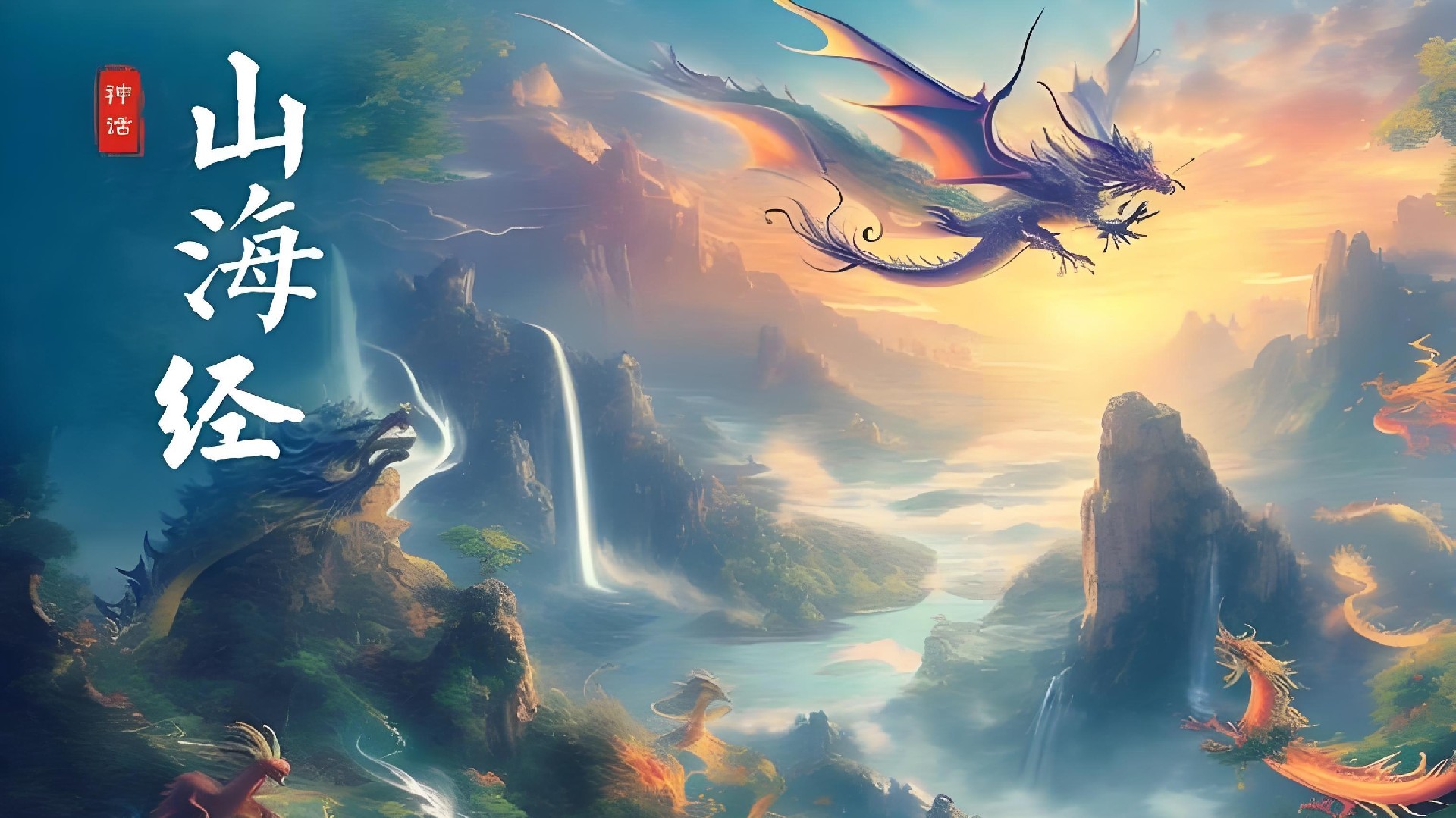
The Classic of Mountains and Seas (山海经) is one of the oldest and most extraordinary texts in Chinese history. Compiled between the 4th and 1st centuries BC, it defies easy categorization — part geography, part mythology, part natural history. Its pages describe hundreds of mountains, rivers, plants, minerals, and creatures, many of them fantastical: nine-headed birds, fire-breathing foxes, and beasts that can cure disease or bring disaster. For ancient readers, it was a guide to the known and unknown world.
The book is divided into eighteen chapters covering the mountains and seas of five directions. Each entry follows a structured pattern, noting the landscape, its resources, and the strange beings found there. Some creatures are clearly inspired by real animals seen from a distance or heard in rumor; others are pure imagination. Together, they paint a vivid picture of how ancient Chinese people understood their world — full of wonder, danger, and hidden meaning.
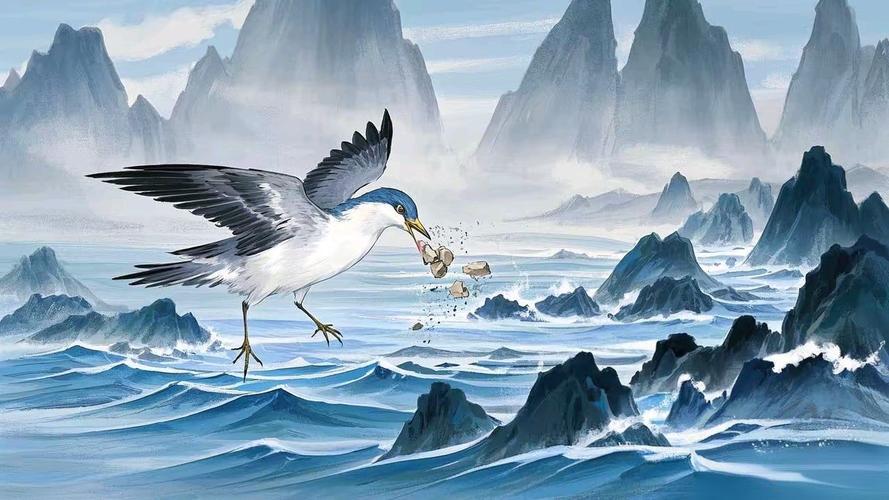
Beyond its role as a mythological atlas, the Classic of Mountains and Seas has had a lasting influence on Chinese culture. Stories from the book — such as the goddess Nuwa repairing the sky, the hero Kuafu chasing the sun, and the bird Jingwei trying to fill the sea with pebbles — have been retold for thousands of years and remain deeply familiar to Chinese readers today.
In recent decades, the book has inspired artists, writers, game designers, and filmmakers worldwide. Its creatures have appeared in novels, animations, and video games, bringing ancient Chinese mythology to new global audiences. The Classic of Mountains and Seas reminds us that the human urge to map, name, and imagine the world is as old as civilization itself.