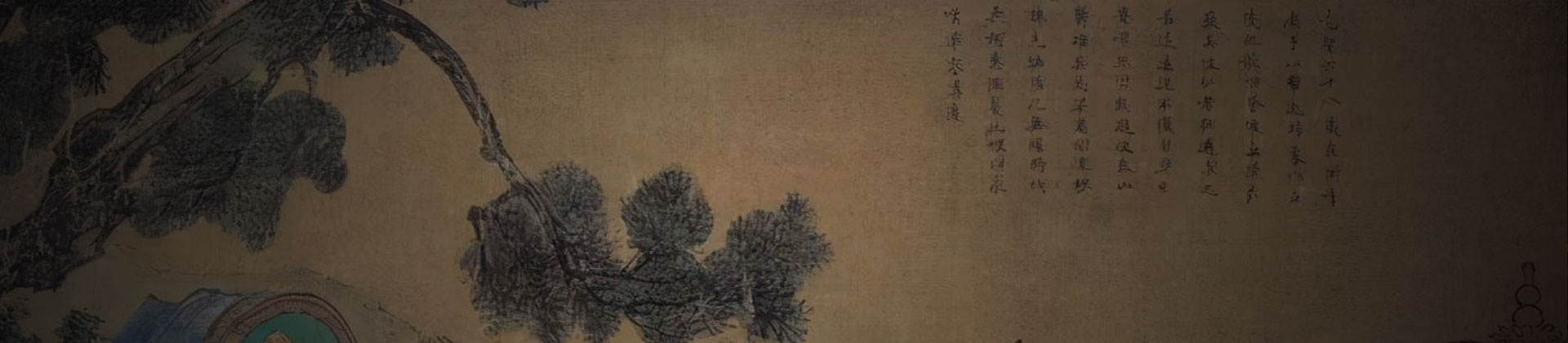
An Introduction to Han Fu

Han Fu is a distinctive literary form that flourished during the Han Dynasty (206 BCE–220 CE). Combining features of poetry and prose, it is known for its magnificent descriptions, rich vocabulary, and elaborate structures. Han Fu was often used to describe imperial capitals, natural landscapes, court ceremonies, and historical events, reflecting the confidence and cultural achievements of the Han Empire.
A major characteristic of Han Fu is its emphasis on detailed presentation and artistic imagination. Writers frequently used parallel structures, rhetorical questions, and extensive descriptions to create a grand literary atmosphere. Rather than simply telling a story, Fu often develops a subject through layers of observation and explanation, allowing readers to experience the beauty and power of language.
Famous Han Fu writers include Sima Xiangru, Yang Xiong, and Ban Gu. Their works became models of the genre and preserved valuable information about ancient politics, geography, customs, and cultural ideals.
Although the popularity of Fu declined after the Han Dynasty, its influence continued throughout Chinese literary history. It shaped later prose writing and poetic expression, especially through its attention to imagery, rhythm, and formal beauty.