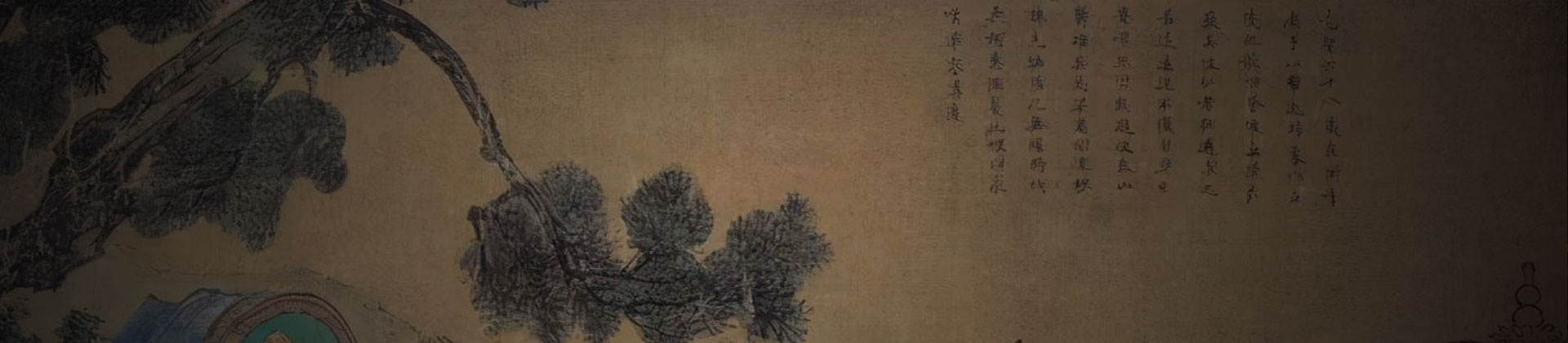
Taoism and Wu Wei(Effortless Action)

Taoism (道家) is one of the oldest philosophical traditions in China, founded by the legendary sage Laozi (老子) more than two thousand years ago. At its heart lies a short but profound text, the Tao Te Ching (道德经), which describes the Tao, or the Way — the natural, unnamable force that flows quietly through the universe and gives rise to all things, from mountains and rivers to human life itself.
A central idea in Taoism is wu wei (无为), often translated as non-action or effortless action. This does not mean doing nothing at all. Instead, it means acting in harmony with the natural flow of things, without forcing, struggling, or resisting outcomes. Like water, which is soft and yielding yet can wear away even the hardest stone over time, the Taoist sage achieves great things by gently adapting rather than fighting against the world.
Wu wei encourages people to let go of excessive ambition, rigid plans, and constant striving for control. A farmer who works patiently with the seasons rather than against them, or a craftsman whose skill becomes effortless instinct through years of quiet practice, embodies this spirit beautifully. Taoism teaches that true strength often comes from softness, humility, and that simplicity and modesty bring lasting inner peace.
Today, wu wei remains deeply relevant around the world. In a fast-paced society full of pressure, competition, and constant busyness, this ancient idea offers a gentle reminder: sometimes the wisest action is to slow down, observe quietly, and trust the natural course of events. Taoist philosophy continues to shape Chinese art, traditional medicine, and everyday attitudes toward life, nature, and balance.