Chan Buddhism and Enlightenment
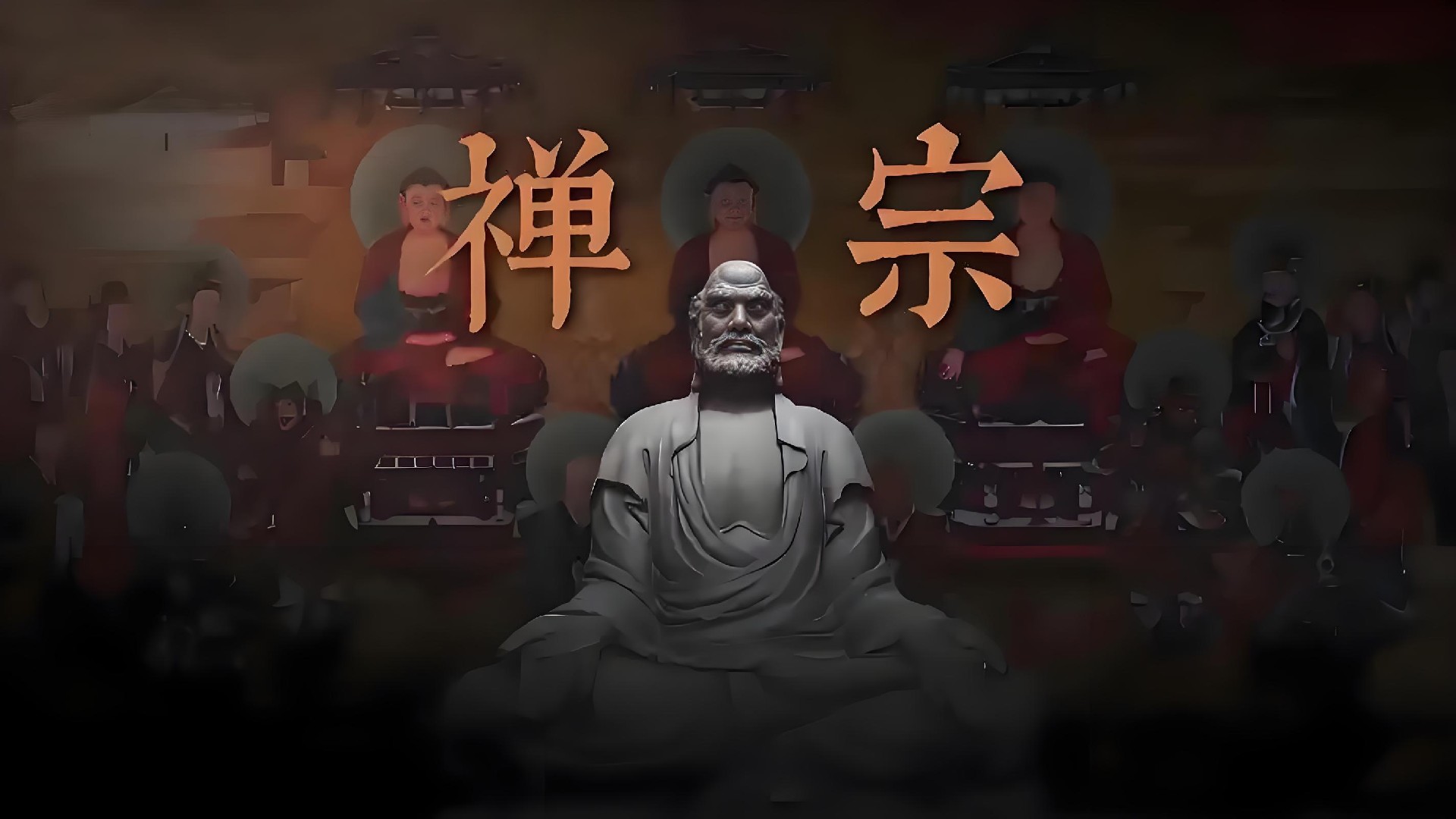
Chan Buddhism (禅宗), is a distinctive school of Buddhism that took root in China during the 6th and 7th centuries, blending Indian Buddhist philosophy with native Chinese Taoist and Confucian thought. According to tradition, it was brought to China by the Indian monk Bodhidharma (达摩), who is said to have meditated facing a wall for nine years at the Shaolin Monastery in Henan Province.
At the heart of Chan is the pursuit of enlightenment (顿悟), a sudden, direct awakening to the true nature of mind that goes beyond words, scriptures, or ritual. Chan masters believed that this awakening could not be achieved through intellectual study alone, but had to be experienced directly. To spark this realization, they used unconventional methods: shouting at students, posing baffling riddles called gong'an (公案), or delivering an unexpected blow to jolt the mind out of habitual thinking.
Chan became enormously influential in Chinese culture, shaping not only religious life but also poetry, painting, calligraphy, and garden design. The aesthetic of simplicity, spontaneity, and presence that runs through ink wash paintings and classical poetry owes much to the Chan spirit. Monks and artists alike valued the idea that truth could be found in a single brushstroke, a falling leaf, or a moment of still attention.
Today, Chan Buddhism remains a living tradition in China, with monasteries continuing the practice of seated meditation (坐禅) and communal work. Its influence has spread globally through the Zen tradition in Japan and the broader Western mindfulness movement, making it one of China's most enduring and far-reaching contributions to world spiritual culture.